
 We recently said goodbye to Nora’s CAMHS* counsellor. This wonderful woman first met us when Nora was at her worst.
She was no longer speaking, had stopped eating and wasn’t able to do many of the normal day to day tasks most of us take for granted. She was self-harming and suicidal. She had been hospitalised on several occasions, and was assessed by CAMHS every time she ended up in hospital.
Despite the well-documented stories of how difficult it can be to access children’s mental health services, this wasn’t our experience. From the outset, CAMHS were available and willing to help Nora.
However, as we were already paying for Nora to be treated privately, we had to make a choice: stay with the private service or move to CAMHS. Initially, we chose to stay within the private sector.
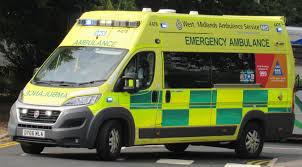 What changed our mind? A number of factors, including an afternoon of confusion following one of Nora’s terrible ‘meltdowns’. Normally, I was able to manage these episodes. On this day, things got so bad I ended up dialling emergency services, who sent an ambulance to the house. The paramedics immediately decided that Nora needed to be hospitalised. There was just one problem…
Because Nora was being treated privately, the paramedics didn’t know what hospital Nora should be taken to. They called our nearest NHS hospital, who told them Nora needed to be taken to the private hospital where she was being treated as an outpatient. But when I called the private hospital, they told me they couldn’t see her as it was an emergency and they didn’t deal with emergencies.
Several phone calls later, we ended up at an NHS hospital in a nearby town. We stayed there for several nights, where Nora was – once more – assessed by CAMHS. It was at this point that we decided to switch from the private sector to the NHS.
In retrospect, I’m pretty sure this decision saved Nora’s life.
The care we’ve had under CAMHS has been second-to-none. During the worst of Nora’s illness, we had mental health workers calling to our house daily, providing much-needed support. There were people I could call, twenty-four hours a day, when I was worried about my daughter. We had a team of caring, dedicated people, all doing their best to keep my daughter alive.
This was very different to the private sector where I had one phone number for one psychiatrist. In all the time we were under her care, she never once returned any of my phone calls.
Since that first meeting with our CAMHS counsellor, Nora’s recovery has been remarkable. This is largely thanks to her dedicated CAMHS carers, who do one of the most important jobs there is.
Lack of access to children’s mental health services has been widely document. I’ve blogged about it here previously. Understandably, parents who cannot get help for their children feel angry and frustrated.
These parents are right to be angry. In the UK today, three in four children with a diagnosable mental health disorder do not get access to the support they need. For those lucky few who do get allocated a service, the average waiting time is almost two months (and far longer in some parts of the country).
But we can’t blame CAMHS workers for the woeful state of children’s mental health services. Instead, the blame lies with the people making decisions around how public funds should be allocated.
Today in the UK, only 0.7% of the NHS budget is spent on children’s mental health. Without adequate funding and resources, CAMHS are simply unable to support the growing number of children and adolescents being referred to them.
 If you care about children’s mental health, and you agree our government needs to do more to support essential mental health services, now is the time to act. Lobby your local MP or sign the Young Minds’ petition for a new era for young people’s mental health.
Let’s not stop telling our elected politicians they need to do more to prioritise the mental health and wellbeing of future generations.
_____________
*CAMHS stands for Children and Adolescent Mental Health services


 When your child wants to die